
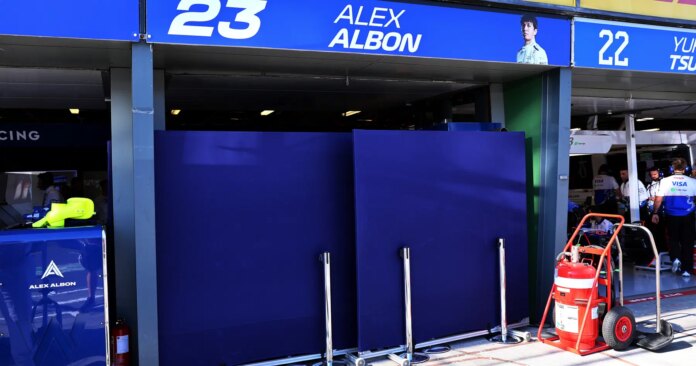
Formula 1 has officially entered its mandated summer shutdown period following the conclusion of the Hungarian Grand Prix. With 11 rounds of the 2026 season completed, teams are dispersing from the paddock to comply with the FIA regulations aiming to halt performance-related work during this break.
This break serves a critical function beyond mere calendar spacing. The FIA’s mandated summer hiatus, part of a broader initiative, aims to control team expenditures while also safeguarding personnel from the demanding F1 schedule. With the season spanning from pre-season testing in early March to races extending into December, the relentless pace can overwhelm even the most robust teams.
The Regulatory Framework Behind the Shutdown
Implementing a summer closure effectively levels the playing field. This regulation ensures that wealthier teams cannot leverage financial resources to gain an advantage by extending car development during the championship’s off period. By enforcing a stoppage in performance-related activities, the FIA guarantees that every team pauses its development, allowing essential personnel, including engineers and mechanics, some much-needed respite from F1 commitments.
Historical Context of the Shutdown Rules
The concept of a compulsory summer break was enshrined in the Sporting Regulations over a decade ago. Following several updates, teams now observe a uniform structure of a 14-day extension during this period, alongside a further compulsory closure over Christmas. Each team is tasked with designating its shutdown window within July or August, a practice that promotes strategic planning in their operational calendars.
Timeline and Duration of the Shutdown in 2026
As scheduled, the summer shutdown for 2026 is positioned between the Hungarian GP, held from 24 to 26 July, and the Dutch GP set for 21 to 23 August. While the official summer gap extends longer due to race scheduling, the obligatory factory closure spans precisely 14 consecutive calendar days, during which teams will generally observe the shutdown from 3 August to 17 August.
What Activities Are Permitted During the Shutdown?
While the primary regulation prohibits any improvement-related activity on current F1 cars, teams are not completely incapacitated. Routine administrative tasks, essential maintenance, and administrative functions can occur as long as they do not contribute to car performance. This provision allows teams to maintain operational stability without infringing on the competitive integrity of this important downtime.
The SportiveNews view
The implementation of mandatory shutdowns not only balances the competitive scales but also prioritises the well-being of staff, fostering a healthier working environment in what can often be a high-pressure series. In balancing development with rest, the FIA reinforces a structure that can ultimately lead to more competitive and sustainable Formula 1 seasons.
Frequently asked questions
What is the purpose of the summer shutdown in Formula 1?
The summer shutdown aims to control team expenditures and protect staff from the relentless demands of the Formula 1 calendar. This structured break enforces a halt on performance-related work, promoting both fairness and the well-being of team personnel.
How long does the summer shutdown last in 2026?
The mandated summer shutdown lasts 14 consecutive calendar days. For the 2026 season, this closure is planned from 3 August through to 17 August, following the conclusion of the Hungarian Grand Prix.
What types of activities are allowed during the shutdown?
While teams cannot engage in any development, design, or production of their current cars, essential administrative functions, regular maintenance, and non-performance-related activities can continue. This enables teams to remain operational without breaching the FIA regulations.
For further insights, visit our Formula 1 coverage or check out the latest technical updates for more on the developments during this brief interlude.