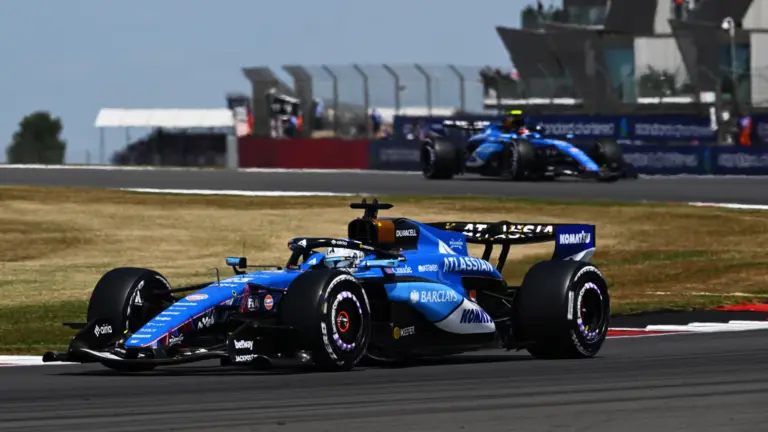
Williams Racing’s recent performance has been a point of discussion as they prepare for a real ‘B-spec’ upgrade, set to debut at the Azerbaijan Grand Prix in September. This new package comes at a important time, particularly following their recent improvements observed during the Silverstone weekend, where both cars advanced to the second qualifying session for the first time since Monaco.
In the context of the ongoing Formula 1 season, teams are under pressure to enhance their competitiveness. Williams, despite being somewhat overshadowed by Aston Martin’s aggressive upgrade strategy ahead of the Hungarian Grand Prix, has opted for a more measured approach, introducing both incremental upgrades and a larger overhaul. According to the latest updates from Formula1.com, Team Principal James Vowles has emphasised the comprehensive nature of their upcoming changes, which are part of a broader ambition to evolve their engineering capabilities.
Williams’ incremental upgrades and their impact
Recent modifications at Williams, such as the new front wing introduced at Silverstone, have shown potential, although Carlos Sainz noted that these were not game changers. The team’s positions of P15 and P16 in Sprint Qualifying underscored that while progress was evident, particularly in surpassing Haas, they remain a considerable distance from the top 10. Sainz himself remarked on the importance of these smaller steps in the context of the overall performance trajectory.
A look ahead to the Azerbaijan upgrade
Vowles has framed the Baku upgrade as a important moment, labelling it a ‘B-spec car’ which aims to exhibit real advancements. This chassis overhaul, alongside weight reductions, is expected to considerably enhance their competitive edge. Unlike Aston Martin, who are banking everything on one substantial upgrade, Williams is strategically diversifying their development initiatives, with smaller upgrades already delivering tangible results.
The engineering challenge of in-season upgrades
The introduction of major modifications mid-season presents a unique test for Williams, with Vowles drawing a parallel to the complexities of “flying the plane and rebuilding it at the same time.” He acknowledged the necessity for the team to adapt their engineering processes effectively, demonstrating that they can deliver quality improvements while navigating the demands of a racing calendar. This evolution in capability is integral for their long-term strategy.
The SportiveNews view
The forthcoming Baku upgrade represents a important test for Williams Racing, as they seek to establish themselves more solidly in the midfield. The blend of incremental and substantial changes signifies a strategic shift in their development philosophy. If successful, it may not only impact their current standing but also stabilise their role within the competitive Fabric of Formula 1 as they aim to solidify their path forward.
Frequently asked questions
What does the B-spec upgrade entail for Williams?
The B-spec upgrade, described by Team Principal James Vowles, includes a new chassis and accompanying components, aiming to deliver real performance gains at the Azerbaijan Grand Prix. This approach contrasts with Aston Martin’s singular focus on one major upgrade, showcasing Williams’ commitment to steady progress.
How successful have Williams’ recent upgrades been?
Williams has made headway with smaller improvements, including a front wing introduced at Silverstone that helped them outqualify Haas. However, Carlos Sainz acknowledged that while these changes represent progress, the team is still striving to close the gap to the top competitors in the championship.
For further insight, check out our Formula 1 coverage and stay updated on the latest technical updates as the season unfolds.