
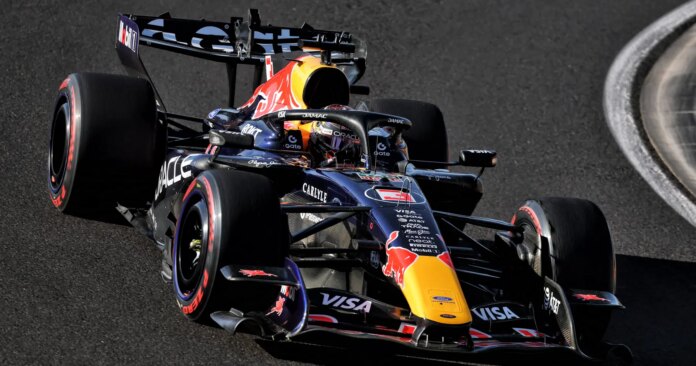
Red Bull’s slow initiation to the 2026 Formula 1 season can be attributed to two primary factors, according to technical director Pierre Waché. He underscored that competitor teams executed superior strategies during the winter while acknowledging that Max Verstappen’s intense battle for the drivers’ championship extended into the final race of 2025 played a role in the team’s early struggles.
As reported by GPToday, the RB22 faltered in Melbourne, recording a deficit of approximately one second to challengers Mercedes and Ferrari. The team’s performance was further marred by reliability issues, culminating in two non-finishes in the initial trio of races. Verstappen’s sixth-place finish at Albert Park was the high point of this troubling period, contributing a mere 16 points overall.
Why Red Bull Struggled Early in 2026
Waché conveyed that the underperformance stemmed from an effective off-season from competing teams—Mercedes and Ferrari forged ahead with well-executed preparations while Red Bull’s resources were partially diverted towards shoring up the 2025 car amid a gripping championship fight. This late push adversely affected the development of the new RB22, inevitably resulting in diminished competitiveness early in the season.
Impact of Development Delays on RB22’s Performance
The aftermath of a tightly-contested drivers’ title meant Red Bull was compelled to invest continued effort into their previous car, straining the resources allocated for 2026. Both Waché and Verstappen have noted the importance of understanding how this delay affected their current position. The technical director admitted that while the team has made strides since the early races, real gaps to front-runners remain.
Aerodynamics Upgrade lifts Red Bull’s Competitiveness
Following a substantial aerodynamic and weight-reduction upgrade unveiled at the Miami Grand Prix, Red Bull has greatly narrowed their performance gap, demonstrating competitiveness with a front-row qualifying for Verstappen. The enhancements appear to have reimportantised their points-scoring potential in subsequent races, proving the team’s ability to recover following earlier setbacks.
Red Bull’s Potential for Future Races
Despite currently languishing in fourth place in the constructors’ standings, Red Bull’s recent improvements suggest a positive trajectory. Waché remains cautiously optimistic, expressing that seeing progress as a team is encouraging, even as they recognise substantial challenges lay ahead. With continued development, there remains potential for further advancements as the season unfolds.
The SportiveNews view
The struggles faced by Red Bull early in the season reflect the complexities of team dynamics when tugged in multiple directions. Their recent upgrade has clearly shown promise, yet the path to closing the substantial gap to leaders Mercedes and Ferrari is fraught with challenges. Monitoring their ongoing developments will provide insight into their potential resurgence as the championship progresses.
Frequently asked questions
What specific factors contributed to Red Bull’s initial difficulties this season?
Red Bull’s initial struggles in 2026 were linked to rival teams executing superior winter preparations, alongside the impact of Max Verstappen’s extensive fight for the drivers’ championship in 2025, which diverted critical resources from developing the new RB22.
How has the recent upgrade affected Red Bull’s performance?
The aerodynamic and weight-reduction upgrade implemented at the Miami Grand Prix has drastically enhanced Red Bull’s performance, cutting their deficit to the front runners greatly and allowing Verstappen to qualify on the front row—something that marks an improvement from earlier races.
For more on the latest technical updates, visit our latest technical updates section.