
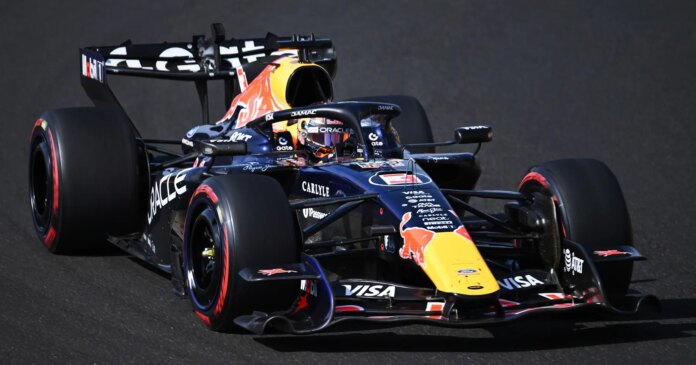
Red Bull’s RB22 has been plagued by mechanical issues throughout the 2026 season, severely affecting both Max Verstappen and Isack Hadjar’s performance. At the heart of this challenge lies an undisclosed defect in the steering system, resulting in a disconnect between the drivers and their control of the vehicle, particularly troubling in the opening rounds of the championship.
With Red Bull facing a turbulent start to the current FIA World Championship season, recent revelations from GPToday.com shed light on the subtle yet impactful steering issues that have contributed to the team’s struggles. Technical director Pierre Waché confirmed that these “mechanical gremlins” were present right from the beginning of the campaign, undermining driver confidence and performance.
Max Verstappen’s Struggles with the RB22
Max Verstappen voiced his frustrations early on, highlighting the car’s undriveability after the Barcelona shakedown. Repeatedly referring to the vehicle as “completely undrivable,” Verstappen encountered severe challenges in China, where he remarked that every lap felt like a fight for survival without adequate feedback or reference points.
Isack Hadjar’s Perspective on the Chassis
Isack Hadjar did not hold back either, describing the chassis as “terrible” following the Suzuka round. He emphasised the unpredictability of the car, noting his constant struggle to gauge its performance session by session. This lack of consistency has hindered both drivers’ ability to effectively race, exacerbating frustrations within the team.
Red Bull’s Efforts to Remedy Steering Defects
Red Bull engineers pinpointed the steering rack and column as the source of the issues, leading to a complete replacement of these components. While this adjustment did not greatly enhance the car’s outright pace, it did restore some of the important feedback that had previously been missing from Verstappen and Hadjar’s driving experiences.
The Impact of Upgrades on Performance
Following the steering fix, a major upgrade package was rolled out at the Miami event, focusing on reducing the car’s weight and refreshing its aerodynamic concept. Despite these improvements, the RB22 continues to exhibit inconsistencies in performance. Verstappen managed to secure four podium finishes in the last seven races, yet the car remains a challenge for drivers to master consistently across weekends.
The SportiveNews view
Red Bull’s difficulties with the RB22 underline the transient nature of technical challenges in Formula 1. While the recent improvements in steering responsiveness provide a glimmer of hope, the team’s ongoing struggle to extract consistent performance signals a important need for further refinement. This situation may hinder their competitive edge as the championship progresses.
Frequently asked questions
What specific mechanical issues affected the RB22 early in the season?
The RB22 suffered from a subtle defect in its steering system, referred to as “mechanical gremlins” by technical director Pierre Waché. This problem hindered driver feedback and confidence, leaving Verstappen and Hadjar feeling disconnected from the car’s performance.
What changes were made to fix the steering problems in the RB22?
Red Bull replaced the steering rack and column entirely to resolve the issues with driver feedback. Though this adjustment didn’t greatly improve the car’s speed, it restored a level of feel that had been missing, which is important for performance on the track.
For more insights into the evolving dynamics of the team, stay updated with our Formula 1 coverage and explore the latest technical updates reshaping the championship landscape.