
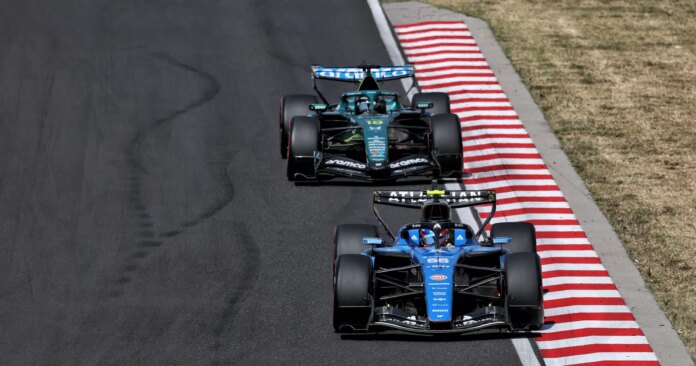
Ralf Schumacher has called for an increased penalty for Carlos Sainz following the Spaniard’s collision with Oscar Piastri during the Hungarian Grand Prix. Sainz was awarded a five-second time penalty for the incident, which enraged many, including Piastri, who expressed his frustration over team radio as he struggled to navigate the lapped cars without clear blue flags.
This controversy arose amid real communication issues faced by drivers at the Hungaroring, where a system error prevented important blue flag alerts. Such lapses have sparked discussions about racing conduct amid the ongoing FIA World Championship, highlighting critical aspects of the regulations and driver responsibilities this season.
Schumacher’s Strong Disapproval of Sainz’s Actions
Ralf Schumacher openly criticised Sainz’s approach, labelling it unacceptable, particularly since neither driver was in contention for points. While Schumacher acknowledged Sainz’s plight as a lapped driver, he stated, “An absolute no-go from my point of view. A normal punishment is not enough.” He believes that the severity of the infraction warrants a stronger sanction to set a precedent for future races.
Implications of a Potential Race Ban for Sainz
Schumacher has recommended that Carlos Sainz receive a more real penalty, potentially extending to the following race at Zandvoort. He noted that failure to enforce stricter consequences could undermine the integrity of the sport, suggesting, “For me, Carlos Sainz should be punished for the next race.” The implications of such a decision could reverberate throughout the paddock as teams assess their strategies and conduct on track.
Fernando Alonso and Team Dynamics at Play
The incident also involved Fernando Alonso, as Sainz was battling the Aston Martin driver at the time of the collision. This added layer to the narrative raises questions about how diversions in team strategy and performances from various drivers can overlap, particularly in high-stakes scenarios like lapping. The focus on communication during races becomes even more important when parsing through accidents such as this, exposing vulnerabilities in team operations.
The SportiveNews view
Ralf Schumacher’s remarks illustrate the ongoing challenges Formula 1 faces regarding communication and accountability on track. If Sainz does face an increased penalty, it could reshape conversations surrounding lapped drivers and the surrounding regulations. Also, establishing any form of precedence could influence team protocols moving into the rest of the season, prompting greater focus on how teams manage driver awareness amid racing complexities.
Frequently asked questions
Why did Ralf Schumacher call for an additional penalty for Carlos Sainz?
Ralf Schumacher believes that the current five-second penalty is insufficient given the circumstances of Sainz’s collision with Oscar Piastri, calling the incident an “absolute no-go” and suggesting that stricter penalties are necessary to discourage unsportsmanlike behaviour.
What were the communication issues during the Hungarian Grand Prix?
During the Hungarian Grand Prix, a system error resulted in several drivers not receiving blue flags when leaders attempted to lap them. This communication breakdown particularly frustrated drivers like Oscar Piastri, who struggled with race dynamics previously muddled by such lapses.
Formula 1 coverage will closely monitor how race officials respond to this incident as it could influence future enforcement of racing regulations. Also, with Sainz’s situation unfolding, insights from driver market rumours may shed light on any potential repercussions for the Ferrari driver.