
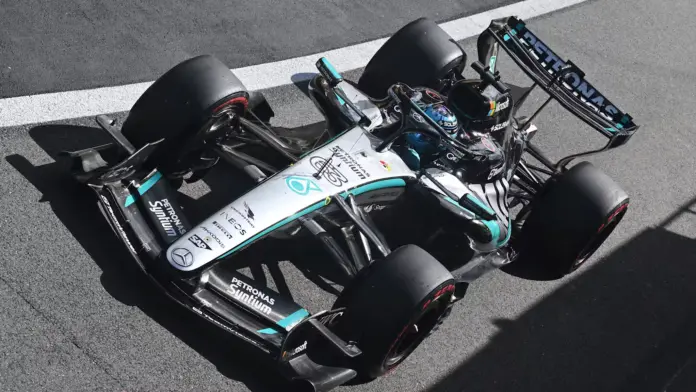
As the Belgian Grand Prix weekend unfolds, Pirelli has unveiled the tyre selections teams and drivers will utilise for the tenth round of the 2026 FIA World Championship. The available compounds for the challenging Spa-Francorchamps circuit include the C2, C3, and C4, designated as hard, medium, and soft respectively, setting the stage for intricate race strategies.
In the rapidly approaching double-header of races, Pirelli’s announcement, detailed on their official site, positions the Belgian Grand Prix within the broader context of the championship. With the Ardennes region’s unpredictable weather often creating a unique racing environment, tyre management will be important for performance.
Understanding Pirelli’s Compound Strategy for the Belgian Grand Prix
For the upcoming race, drivers will be allocated two sets of hard tyres (marked in white), three sets of medium (yellow), and a substantial eight sets of soft tyres (red). Also, teams will have access to green intermediate tyres and blue full-wet tyres as conditions dictate. Those advancing to Q3 in qualifying will receive an extra set of softs, enforcing the necessity for varied compound choice during the race, provided the track remains dry.
Track Conditions: A Factor for Spa-Francorchamps
Spa-Francorchamps is renowned not just for its layout, but also for its ever-changing weather. Pirelli’s preview highlights concerns about damp conditions frequently affecting the circuit due to local climate patterns. The recent resurfacing of the track may lead to lower grip levels early in the weekend, though previous GT races have deposited additional rubber, potentially improving traction.
The Challenge of Spa’s Unique Circuit Layout
The circuit comprises three distinct sectors, each presenting unique challenges: the first is characterised by high speed and long straights conducive to overtaking; the second demands technical precision with its downhill medium-speed corners; while the third section showcases a flowing uphill progression. This year, modifications to aerodynamics will enable teams to adapt their vehicles effectively to varying downforce requirements across these sections.
The SportiveNews view
Pirelli’s compound selection underscores the importance of strategic flexibility in the Belgian Grand Prix. Given the potential for thermal degradation and variable weather, teams must optimise their race strategies around the tyre compounds chosen, particularly focusing on managing the soft tyres effectively. This strategic emphasis could prove decisive in shaping the outcomes as we enter the second half of the championship.
Frequently asked questions
What tyres will be available for the Belgian Grand Prix?
The teams will have access to the C2, C3, and C4 compounds, which serve as the hard, medium, and soft tyres respectively. Each driver will be allocated two sets of hard, three sets of medium, and eight sets of soft tyres, with additional intermediate and wet options for adverse conditions.
How does the track condition affect tyre choice during the race?
The narrow and unpredictable climate of Spa-Francorchamps often leads to varying dry and wet sections on the circuit. According to Pirelli, this necessitates careful tyre selection between slicks and intermediates, especially in changing conditions, making adaptability critical for drivers.
Formula 1 coverage is important for deeper insights into the race ahead, while Pirelli’s detailed tyre information can be found by exploring latest technical updates pertinent to the ongoing season.