
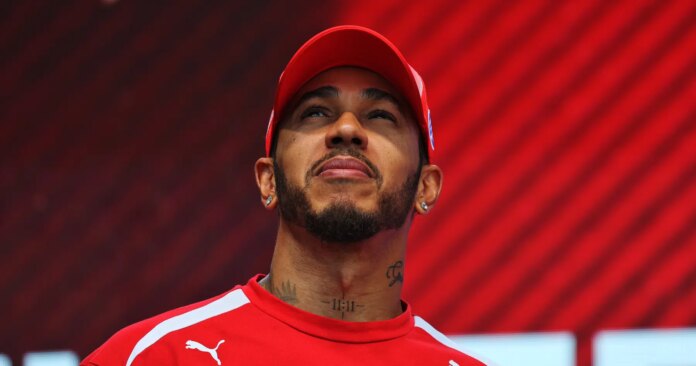
Lewis Hamilton has expressed concerns over the diminishing thrill of pressure in wheel-to-wheel racing encounters, particularly in select Formula 1 events. The seven-time world champion articulated how recent changes in regulations and power dynamics have potentially diluted the excitement that fans and drivers alike anticipate during competition.
As Formula 1 evolves towards a new energy management system set for 2026, changes in battery power distribution have restructured race strategies. According to information from GPToday, battery power will escalate from approximately 20% to 50%, greatly impacting the balance of power versus vulnerability on the track.
Lewis Hamilton’s View on Racing Pressure
Hamilton has openly stated that the essence of racing—the intricate tactics of overtaking and defending—has been compromised. He noted, “It completely upsets me,” when discussing how tracks like Suzuka and Silverstone no longer offer the same level of challenge for drivers. This past season has seen him focus on the emotional highs from wheel-to-wheel encounters rather than just qualifying performances.
The Impact of Battery Power on Circuit Dynamics
The upcoming 2026 season will see an increased reliance on enhanced battery systems, fundamentally altering the racing landscape. Tracks known for their fast-paced sections are now seen as mere “charging stations,” as articulated by Fernando Alonso. This shift poses a risk of lessening the strategic overtaking opportunities traditionally found on fast circuits like Suzuka and Silverstone.
Challenges at Iconic Circuits
Circuits such as Monaco serve as a contrasting example, where overtaking opportunities are notoriously scarce, leading Hamilton to express a preference for the “thrill of battle” that these other tracks once provided. He lamented how, despite the beauty of courses like Monaco, they offer limited satisfaction due to their inherent difficulties in overtaking.
The SportiveNews view
The modification of racing dynamics through increased battery power could profoundly impact the 2026 championship. With drivers like Hamilton vocalising concerns, teams may need to adapt their strategies to maintain competitive racing, all while balancing out the risks introduced by new energy management requirements. Ultimately, the current trajectory may necessitate a reevaluation of racing skills beyond just technical prowess.
Frequently asked questions
What specific changes are being made to battery power in 2026?
From 2025 to 2026, Formula 1 is set to increase the power sourced from battery systems from 20% to 50%. This change is expected to greatly reshape many aspects of racing strategies.
Why does Hamilton prefer certain tracks over others?
Hamilton has conveyed that tracks like Suzuka and Silverstone are losing their appeal due to fewer overtaking opportunities, leading to a less fulfilling racing experience. He emphasises the importance of wheel-to-wheel competition as a core aspect of racing enjoyment.