
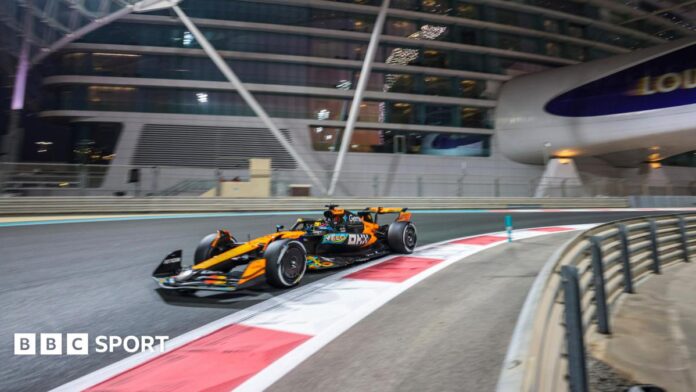
Stefano Domenicali, the CEO of Formula 1, has raised concerns regarding the potential impact of ongoing geopolitical tensions on the sport’s future, suggesting that the current season may conclude in Europe. This contingency reflects the volatility surrounding international affairs, which could affect logistics and safety for upcoming races.
As Formula 1 navigates its 2023 championship, Domenicali’s remarks come amid increasing scrutiny of the new power units, characterised by a 50-50 split between internal combustion and electrical propulsion. Displeasure has arisen from drivers, including Max Verstappen and Lando Norris, over how these regulations have constrained their ability to push the limits of performance, as reported by GPToday.
Domenicali’s Insights on Driver Feedback
Domenicali defended the new engines, asserting that despite drivers’ concerns, the on-track excitement remains high. He believes fans are captivated by the racing spectacle, even if the technical aspects elude broader understanding. , he acknowledged the need for ongoing conversations with drivers to refine the balance between technology and driving dynamics. “The beauty of motorsport is that everyone can have an opinion,” he stated, while emphasising the importance of constructive dialogue.
Future Engine Regulations and Sustainability
In light of shifting dynamics within the sport, Domenicali noted that there is an active discourse on revising engine regulations intended for implementation by the end of 2023. These future regulations aim to simplify engine design, reduce car weight, and incorporate sustainable fuel without sacrificing electrification. Such moves underline a commitment to blending innovation with environmental considerations.
Potential Return to V8 Engines
Meanwhile, Mohammed Ben Sulayem, the FIA President, is pushing for the reintroduction of naturally aspirated V8 engines, with a view to establishing new regulations as early as 2030 or 2031. He has hinted at a readiness to implement changes unilaterally if consensus among teams fails to materialise. However, Domenicali remarked that a collaborative effort to evolve regulations is essential, stating that manufacturers are largely receptive to a potential move towards V8 architecture, albeit with the inclusion of turbocharging options as advocated by certain teams.
The SportiveNews view
The potential shift towards V8 engines could represent a important change in Formula 1, striking a balance between performance and sustainability. The willingness of teams to adapt their power unit strategies will heavily influence the direction of future regulations, affecting both competitiveness and operational viability. This ongoing evolution underscores the need for unity in tackling the sport’s technical challenges.
Frequently asked questions
What prompted Stefano Domenicali to discuss a European season conclusion?
Domenicali’s comments about potentially finishing the F1 season in Europe are influenced by geopolitical instability, which could impact logistics and safety for races outside the continent.
What are the anticipated changes to the F1 engine regulations?
Aiming for simplicity and sustainability, F1’s next regulations are expected to facilitate lighter cars with sustainable fuel and electrification, with a first outline anticipated by the end of 2023. Collaboration among teams and manufacturers will be important in shaping these rules.
For comprehensive updates on the evolving world of F1, check out our Formula 1 coverage, and stay tuned for the latest developments on engine technology and regulations in our latest technical updates.