
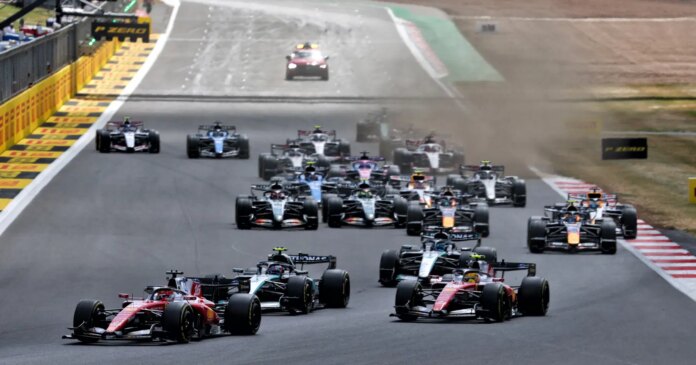
The FIA is currently assessing the feasibility of introducing an “FIA-selected engine” aimed at current Formula 1 customer teams, with the intention of diminishing the influence of manufacturers over their client teams. This initiative, signalled by FIA president Mohammed Ben Sulayem, comes as part of efforts to revive V8 engines in the next regulation cycle, scheduled to commence in either 2030 or 2031.
Within the contemporary landscape of Formula 1, the discussion surrounding engine supply is critical, as multiple teams rely heavily on manufacturer-sourced power units. Reports from Gptoday.com illustrate the extent to which engine manufacturers like Mercedes and Ferrari dominate the grid, leading the FIA to consider regulatory changes to strengthen competition and equality among teams.
The proposed FIA-selected engine and its implications for customer teams
The introduction of an “FIA-selected engine” aims to offer a cost-effective alternative for B-teams, similar to the off-the-shelf Cosworth units utilised by new entries during the 2010 season. This move could potentially alleviate the leverage that major manufacturers exert over customer teams, ensuring that these entities function independently rather than as subordinate units.
Manufacturer dominance and the current engine supply landscape
As of 2026, engine complexes are largely divided among a few key players: Mercedes powers teams such as Mercedes, McLaren, Alpine, and Williams, while Ferrari’s units extend to its own team as well as Cadillac and Haas. Meanwhile, Red Bull Powertrains supports Red Bull Racing and its sister team, with Audi active in collaboration with Aston Martin. This imbalance of power dynamics is a catalyst for proposed regulatory changes.
Ben Sulayem’s vision for V8 engines and potential refuelling reintroduction
In conjunction with exploring engine selection, Ben Sulayem is also mulling the revival of V8 engine regulations alongside the strategic reintroduction of refuelling, absent from the sport since 2009. He stated that developing refuelling protocols combined with sustainable fuels could pave the way for electrification exceeding the current cap, which remains open for exploration.
The SportiveNews view
Mohammed Ben Sulayem’s ambition to decentralise engine influence among Formula 1 teams reflects a critical shift towards enhancing competitive equity. If realised, the “FIA-selected engine” could markedly level the playing field, potentially reimportantising customer teams and redefining their contributions within the championship context, particularly as we approach a new regulatory era.
Frequently asked questions
What is the “FIA-selected engine”?
The “FIA-selected engine” is proposed as an independent power unit option for customer teams in F1, aiming to reduce the control that manufacturers have over these teams. This initiative is classified as part of the regulatory changes targeted for introduction around 2030 or 2031.
How could the return of refuelling affect race strategy?
The potential reintroduction of refuelling, as proposed by Ben Sulayem, could greatly alter race strategies by enabling varied pitstop approaches and fuel management techniques. This would have to be executed carefully with sustainability in mind, combining traditional fuel elements with advanced electrification.
For comprehensive coverage and insights, visit our Formula 1 coverage, including updates on the latest technical developments in the sport with an eye on the latest technical updates related to engine technology advancements.