
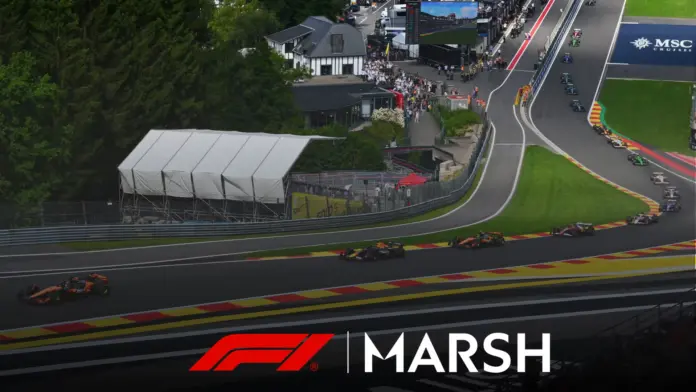
As the Belgian Grand Prix approaches, attention shifts to Spa-Francorchamps, a circuit revered for its high-speed challenge and real historical importance in Formula 1. This weekend’s race is expected to evoke a mix of exhilaration and trepidation among drivers, engineers, and strategists. With unpredictable weather patterns and a circuit layout that requires meticulous strategic planning, the stakes are undeniably high.
This year’s Belgian Grand Prix takes place amid a tight championship landscape, with teams needing to adapt their approaches to complexities presented by Spa. According to insights from Formula1.com, managing the duality of low downforce for straight-line speed and handling for sector two’s high-speed corners will be important for achieving a competitive advantage in the race.
Strategic Complexities: Understanding Spa for the Drivers
Spa-Francorchamps, with its 7.004km lap length, poses unique challenges for the drivers. While the circuit maintains a reputation for being fast, the high-speed nature complicates pit strategy greatly. As teams prepare for potential pit stops, a miscalculation could lead to long periods of waiting before the next opportunity arises. This unpredictability demands an adaptable and precise game plan that takes into account both performance and timing.
Weather Variability: A Driver’s Nightmare
The ever-changing weather in the Ardennes adds another layer of complexity to the race weekend. Teams face a delicate balancing act, as sudden downpours can transform race strategies on a dime. As noted, each day’s forecast can swing dramatically between sun and rain, creating scenarios where drivers must be prepared to switch tyre strategies instantaneously, also impacting energy management for the race.
Pit Strategy: The Battle of One Stop or Two
Recent seasons have seen Spa teeter on the line between a one-stop and a two-stop strategy. This year, the introduction of active aerodynamics further complicates traditional setups. Drivers will need to factor in how active aero interacts with Spa’s layout, making the decision-making process more dynamic and rooted in real-time performance feedback.
The SportiveNews view
Understanding the strategic nuances of Spa is essential for the teams vying for top positions. The complexity of energy management and the need to react swiftly to changing conditions can greatly impact race outcomes. As teams prepare, their adaptability in navigating Spa’s labyrinthine corners and swift straights may well determine their standing in this tightly contested season.
Frequently asked questions
What are the main strategic considerations for drivers during the Belgian Grand Prix?
Drivers must navigate the circuit’s blend of high-speed straights and challenging corners, demanding a careful balance between downforce and drag. Also, they need to factor in potential weather changes and tire strategies, as racers historically face decisions around one-stop versus two-stop strategies.
What is the weight of active aerodynamics in this year’s Spa race?
The introduction of active aerodynamic systems poses new questions regarding setups at Spa. Teams will have to decide how much downforce to sacrifice for speed during straights, especially considering the impact on overall lap performance across the circuit’s varied sectors.
For more insights, head over to our comprehensive Formula 1 coverage and stay updated with latest technical updates as the weekend unfolds.