
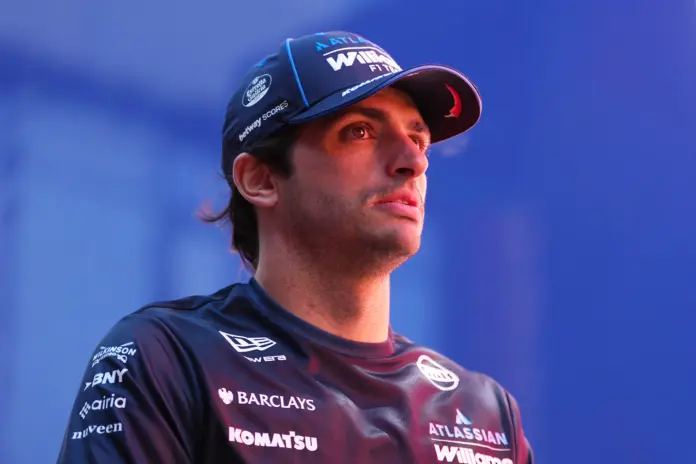
Carlos Sainz has addressed the collision with Oscar Piastri during the 2026 Hungarian Grand Prix, an incident that resulted in a five-second penalty for him. The contact, which occurred as Sainz was being lapped, did not damage Piastri’s car, but it greatly impacted his race, causing him to lose important time in his battle with teammate Lando Norris.
This incident unfolded amid tense racing conditions, as drivers contended with various challenges throughout the event. Sainz responded to questions regarding the contact by explaining that an issue with the blue light system—designed to aid drivers being lapped—complicated matters, as noted by the FIA’s official statements.
Understanding the Collision Involving Sainz and Piastri
During the race, Sainz found himself in a fierce battle for 14th position with fellow countryman Fernando Alonso when Piastri’s Williams unexpectedly crossed his path. The Australian driver appeared in Sainz’s blind spot, which contributed to the collision. The FIA stewards confirmed that while there had been prior communication about Piastri’s approach from the Williams pit, Sainz was primarily focused on his immediate competition with Alonso.
Error in the Blue Light System Influences Race Dynamics
The race control faced a real communication breakdown that led to the deactivation of the blue light warning system—critical for informing drivers about approaching cars. A GPS data issue that began early in the race caused confusion, resulting in drivers receiving inaccurate warnings. Without these blue lights activated, Sainz was left unaware of the impending lap, which he admitted complicated his racing strategy.
Sainz’s Reflection on the Incident and Future Solutions
In the aftermath of the incident, Sainz expressed regret for the incident, acknowledging that while he accepted the penalty, the failure of the blue light system hindered his awareness of his surroundings. He suggested that improvements in communication between teams and greater accountability from drivers involved in lap battles could prevent such occurrences in the future. “To ever avoid being caught out, everyone needs to improve their pace on the track,” Sainz stated, highlighting the necessity for all teams to elevate their performance to minimise blue flag situations.
The SportiveNews view
The incident at the Hungarian Grand Prix not only affected Sainz’s race outcome but also reflected broader issues within the field regarding communication and driver awareness. With ongoing technical difficulties and the potential for similar situations in future races, the need for more cohesive strategies among drivers and teams is clearer than ever. This event might serve as a catalyst for teams to address performance issues more decisively.
Frequently asked questions
What led to the collision between Sainz and Piastri?
The collision occurred as Sainz was focused on racing Fernando Alonso for position when Piastri unexpectedly crossed into his path. The Belgian was located in Sainz’s blind spot, which was a real factor in the contact.
How did the blue light system failure affect the race?
The failure of the blue light system—due to a GPS data issue—rendered Sainz unaware of Piastri’s approach. This lack of information compounded the challenges of driving during lapping scenarios, leading to the collision and subsequent penalty for Sainz.
For more insights and updates on the latest developments in Formula 1, visit Formula 1 coverage and stay informed with latest technical updates tailored for all motorsport enthusiasts.