
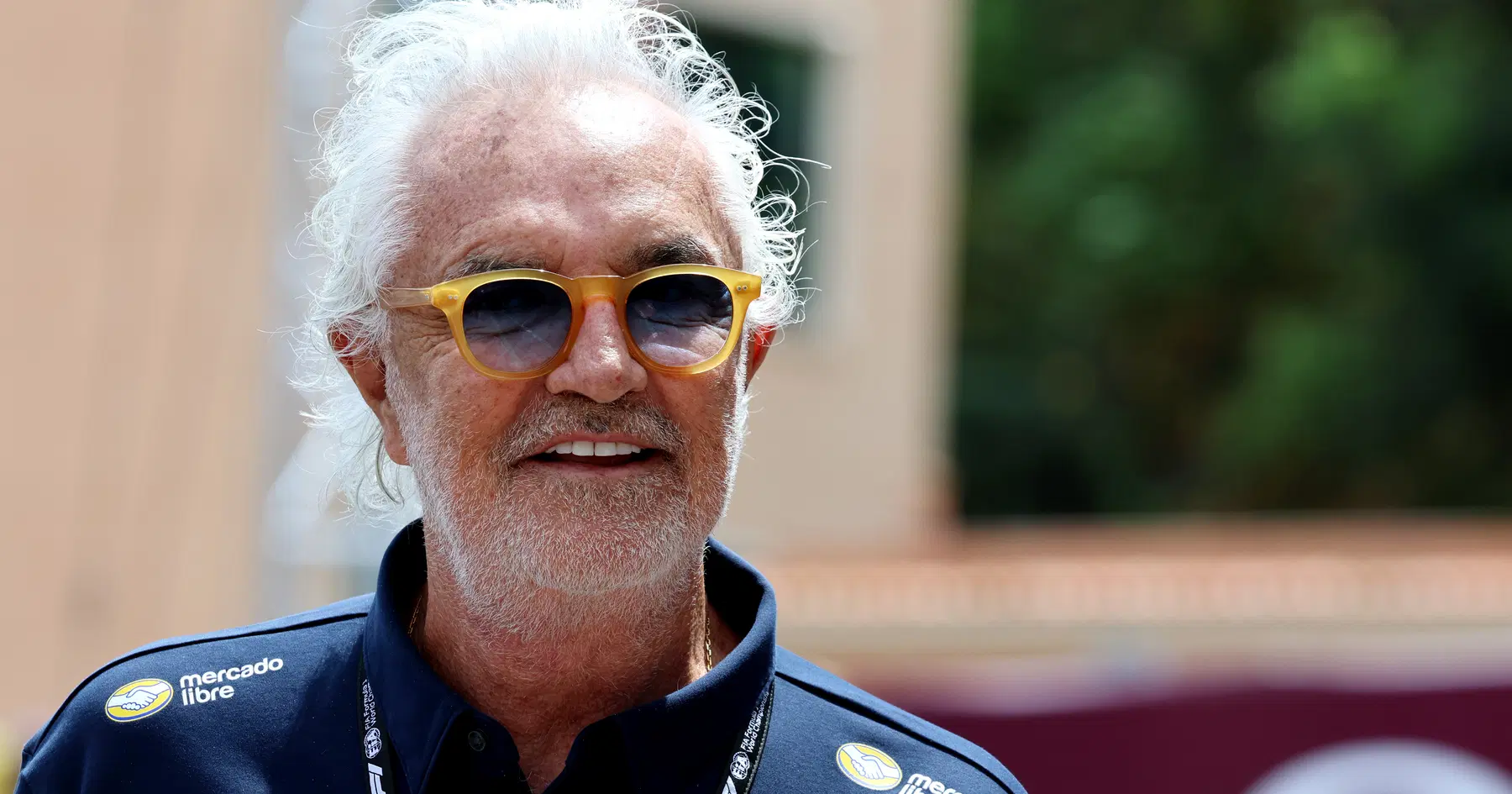
Flavio Briatore has put forward a compelling vision for the future of Formula 1, suggesting that the current cost cap needs to be reinforced to enhance the competitiveness of smaller teams against the upper echelons of the sport. As the Alpine executive advisor, Briatore’s insights come at a critical time in the championship, where financial disparities remain pronounced.
Since its introduction in 2021, the cost cap aimed to curtail excessive spending by the wealthiest teams, originally set at $145 million before being adjusted to $215 million to accommodate the technical changes within the sport. While these regulations have largely succeeded in their goal, there are notable gaps that Briatore believes must be addressed to ensure a fairer playing field.
Flavio Briatore’s Call for Enhanced Cost Regulations
Briatore argues that the current financial regulations are insufficient for truly levelling the competition. Although the cap has been a step in the right direction, many critical expenditures, driver salaries and key personnel compensation, remain uncapped. As a result, the disparity between the richest teams and smaller operations continues to grow, undermining the cap’s original intent.
The Exclusions in F1’s Spending Cap
Specifically, driver salaries, which can be astronomical, are exempt from the cost cap, with prominent figures like Max Verstappen and Lewis Hamilton reportedly earning upwards of $70 million and $60 million, respectively. This exclusion means that the most real costs incurred by teams are not accounted for in the budget cap, easily allowing top teams to leverage their financial muscle to maintain performance advantages.
The Pre-existing Disparities in F1 Infrastructure
Also, Briatore highlights how established teams benefit from years of investment in facilities and technology, making it harder for newcomers to close the performance gap under the current regulations. As the budget cap increases, it ironically maintains the status quo rather than fostering genuine competition among all teams.
The Future of Financial Regulations in Formula 1
Briatore emphasises that a more comprehensive financial strategy is necessary for F1’s progression. He proposes that all key expenditures, including driver salaries, should be incorporated within the cost cap. This, he argues, would provide smaller teams with a fighting chance to compete effectively against richer rivals and facilitate greater overall competitiveness within the sport.
The SportiveNews view
If Formula 1 aims to genuinely democratise competition, it must adapt the financial regulations to reflect the realities of team expenditures. Briatore’s proposals could signal a important shift in how sponsorship deals and driver contracts are managed, potentially enabling smaller teams to thrive and innovate within the sport.
Frequently asked questions
What are Briatore’s main arguments for changing the cost cap?
Briatore argues that the current cost cap does not sufficiently include important expenditures, driver salaries and the salaries of top personnel. He believes this limitation perpetuates the financial dominance of wealthier teams, undermining the competitive balance the cap intended to foster.
How much has the cost cap changed since its introduction?
The cost cap was initially set at $145 million when introduced in 2021, but has since increased to $215 million due to additional costs arising from the sport’s technical reset. These changes reflect broader financial dynamics yet do not address the core issue of uncapped driver salaries.
To stay updated on similar developments, explore our Formula 1 coverage and follow our insights on latest technical updates.