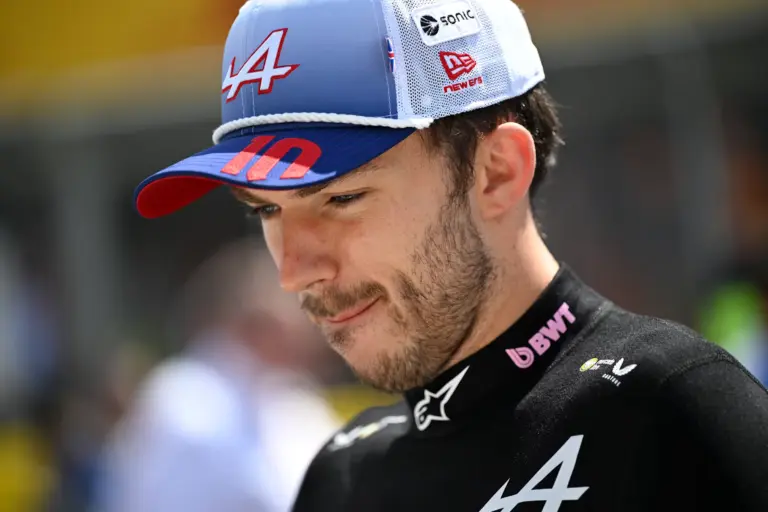
Alpine drivers Pierre Gasly and Franco Colapinto faced disappointment during the British Grand Prix, labelling the event a race of “damage limitation” due to a lacklustre performance against their midfield rivals, Racing Bulls. Their struggle culminated in a ninth-place finish for Colapinto and a tenth for Gasly, a stark contrast from their expectations heading into the weekend.
Based on the latest updates from Formula 1 coverage, Alpine’s once-comfortable 13-point lead has evaporated, leaving them barely ahead with just a single point in the standings after failing to score in the Sprint. This result signifies a troubling decline and highlights the growing competitiveness of teams like Racing Bulls in the current championship landscape.
The performance gap: Alpine’s struggle against Racing Bulls
Both Alpine drivers expressed frustration over the team’s performance at Silverstone, particularly in comparison to Racing Bulls. Gasly remarked on the team’s apparent lack of pace, asserting, “We’re just too slow here,” and lamented a lost opportunity owing to a subpar pit stop that hindered his progress. Earlier in the race, he engaged in a spirited intra-team battle with Colapinto but ultimately couldn’t regain the position after the service.
Colapinto’s resilience: Climbing from adversity at Silverstone
Despite starting from P19 following an off-track incident in Q1, Colapinto showcased remarkable tenacity, climbing ten positions throughout the race. He capitalised on retirements of cars ahead and benefitted from a late Safety Car, which helped him secure a hard-fought P9. The drivers’ contrasting fortunes underscore Alpine’s pressing need for performance improvements as they lag behind increasingly competitive rivals.
The implications of pit strategy on Alpine’s race
Gasly’s race exemplified how pit strategy can dictate outcomes in Formula 1. His initial pace was overshadowed by a slow pit stop—one that ultimately cost him a chance to finish higher. “It doesn’t really change the world,” acknowledged Gasly after the race, hinting at the team’s poor overall performance. Colapinto managed to exploit track position better, yet the overall speed deficiency remains a glaring concern for Alpine.
The SportiveNews view
Alpine’s struggles during the British Grand Prix reveal critical insights into their standing in the FIA World Championship. The performance gap to Racing Bulls necessitates immediate technical recalibrations. This lack of speed threatens their trajectory in a fiercely competitive midfield. With the Belgian Grand Prix looming, the urgency to enhance performance has never been more evident for the team.
Frequently asked questions
What were the key issues causing Alpine’s poor performance at the British Grand Prix?
A real problem for Alpine was their apparent pace deficit compared to Racing Bulls. Both drivers highlighted this issue throughout the race, with Gasly expressing particular frustration over the team’s slower performance and a pit stop that hampered his potential for a higher finish.
How did Franco Colapinto perform despite starting from the back?
Colapinto demonstrated commendable resilience by climbing ten positions after starting from P19. He capitalised on the misfortunes of others and a favourable late Safety Car, ultimately finishing P9, showcasing his skill in navigating the complexities of the race despite earlier setbacks.
What does Alpine need to focus on ahead of the Belgian Grand Prix?
Alpine must prioritise improvements in car performance and reliability, as well as optimising their pit strategy. The evident gap to competitors like Racing Bulls underscores the need for immediate adjustments in engine setup and aerodynamic efficiency to remain competitive in upcoming races.