
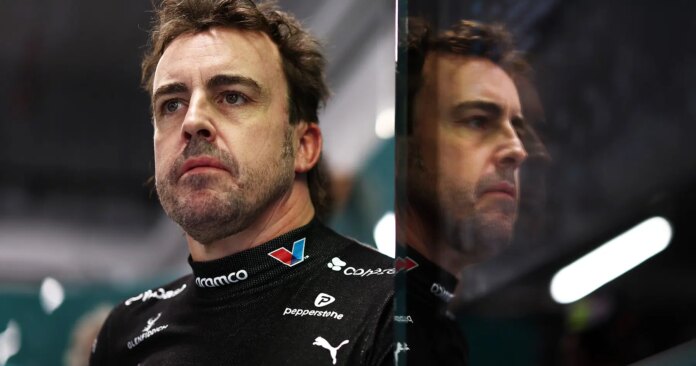
Fernando Alonso is advocating for critical updates to Formula 1’s power unit algorithms, asserting that enhancements are necessary to improve performance and driver control. The two-time world champion expressed that the current system, which dictates energy deployment via computational learning, is overly complex and can lead to detrimental effects during high-pressure situations like corner exits.
In light of ongoing developments surrounding the 2026 regulations, Alonso’s comments come amidst a broader discussion about the impact of advanced technological interventions in racing. According to a report from GPToday, Alonso highlighted that the reliance on algorithms greatly alters driver input, likening the scenario to the era of traction control in the mid-2000s.
Alonso’s Concerns Over Driver Control in 2026
Alonso noted that while F1 has a history of relying on technology, the extent to which these algorithms influence driver performance today is unprecedented. He explained that even during the past introduction of traction control, there were still elements of a driver’s skill that played a important role. Yet, with the current hybrid power units, drivers are at the mercy of the systems that dictate throttle application and energy distribution, raising questions about the essence of driving in the sport.
The Challenges of Energy Deployment Algorithms
The intricate algorithms are designed to manage the balance between petrol and electrical propulsion, aiming to maximise efficiency while minimising the risk of miscalculations. Alonso underscored that any mishap, such as an unexpected oversteer or aggressive throttle input, can hinder performance greatly, especially against competitors. He believes that adjustments to these systems are not only essential for driving style but could foster a more competitive environment among teams.
Future Regulations and the Direction of Power Units
Reflecting on the forthcoming regulations, Alonso indicated a consensus among teams about the need for algorithm enhancements, stating that discussions are already underway regarding changes anticipated for 2030 or 2031. The ongoing evolution of power units, particularly in finding a harmonious interplay between combustion and electrical mechanisms, is critical for the sport’s progression. There is an established approval for modifications aimed at bettering the combustion element in the engines next year.
The SportiveNews view
Alonso’s push for changes to the power unit algorithms signals a important moment in the evolution of Formula 1’s technical regulations. As the sport embraces increasingly complex systems to enhance performance, ensuring that driver skill remains paramount is important for maintaining competitive integrity. This dialogue around algorithm adaptations could lead to a more engaging racing environment and a clearer framework for driver input in future championships.
Frequently asked questions
What specific changes is Alonso advocating for in the F1 algorithms?
Fernando Alonso is advocating for adjustments to the power unit algorithms that dictate energy deployment. He believes these systems should be refined to enhance driver control and performance, reducing the negative impact of oversteer or aggressive throttle application during races.
How do the current algorithms impact driver performance in Formula 1?
The current algorithms heavily influence throttle application and energy distribution, reducing a driver’s autonomy during races. Alonso emphasized that these systems may hinder pure driving talent, thus suggesting the need for improvements to restore a balance between technology and driver skill in F1.
For comprehensive insights and continuous updates, explore our extensive Formula 1 coverage and the latest in technical updates regarding the evolution of the sport.