
David Coulthard has urged the FIA to abolish grid penalties associated with the introduction of new power unit components within Formula 1 regulations. The former driver argues that this rule has become antiquated and is no longer relevant to the current competitive landscape of the sport.
In today’s Formula 1 championship, drivers face restrictions on the number of components they can use, leading to grid penalties if they exceed these limits. This performance-related aspect of the regulations has been a tactical tool for teams, who often strategically deploy penalties at circuits conducive to overtaking. The insights come from Coulthard during his appearance on the Up To Speed podcast, where he discussed the competitive implications of these regulations.
David Coulthard’s Argument Against Grid Penalties
Coulthard believes the enforcement of grid penalties harks back to an era focused on encouraging reliability among teams. He stated, “I still think we should have a bit of a review of all of those penalties,” insisting that with today’s advancements, the emphasis should be on performance and racing rather than reliability concerns. This perspective highlights a potential disconnect between the regulations and the evolving nature of motorsport.
Strategic Use of Grid Penalties and Driver Impact
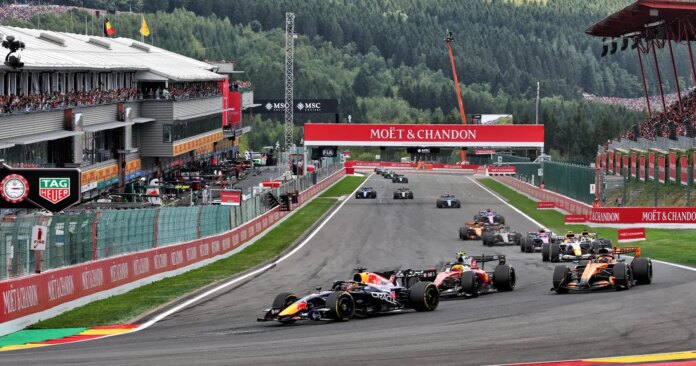
The tactical approach to grid penalties has often seen drivers like Lando Norris and Isack Hadjar start from the back of the grid, as they did during the recent Belgian Grand Prix. Despite their lower starting positions—13th and 21st respectively—they delivered commendable performances, with both drivers climbing greatly through the ranks, showcasing their skill and the strategic opportunities these penalties can still create.
Performance Highlights: Norris and Hadjar’s Resilience
During the race, Hadjar capitalised on an early pit stop, subsequently demonstrating impressive pace that culminated in a sixth-place finish. Norris too displayed commendable racing acumen, ultimately securing seventh place, a result derived from a decision not to pit under a virtual safety car. These results affirm that even under punitive conditions, drivers can still exhibit exceptional talent and tactical prowess.
The SportiveNews view
The ongoing discussion around grid penalties raises real questions about the future regulatory framework of Formula 1. Coulthard’s insights suggest a need for evolution in the rules to better reflect contemporary racing dynamics. Balancing reliability with competitive edge serves as a important pivot point for race strategy and overall championship integrity.
Frequently asked questions
Why does Coulthard want to abolish grid penalties?
Coulthard argues that grid penalties for new power unit components are outdated, as they do not reflect the current focus on performance in Formula 1, highlighting the need for a regulatory review.
How do teams currently use grid penalties strategically?
Teams often deploy grid penalties tactically, positioning their drivers at circuits with long straights and ample overtaking opportunities, allowing them to recover positions during the race despite starting from the back of the grid.
What were the results for Lando Norris and Isack Hadjar at the Belgian Grand Prix?
Both drivers overcame their respective grid penalties, with Hadjar finishing sixth after an early pit stop, while Norris claimed seventh after opting not to pit during a virtual safety car period.
For comprehensive insights on the evolving landscape of Formula 1, follow our Formula 1 coverage for the latest updates and analysis regarding regulatory changes and their impact on race strategies. As discussions unfold on the future of racing regulations, don’t miss out on the latest technical updates to keep abreast of the advancements influencing this elite motorsport arena.