
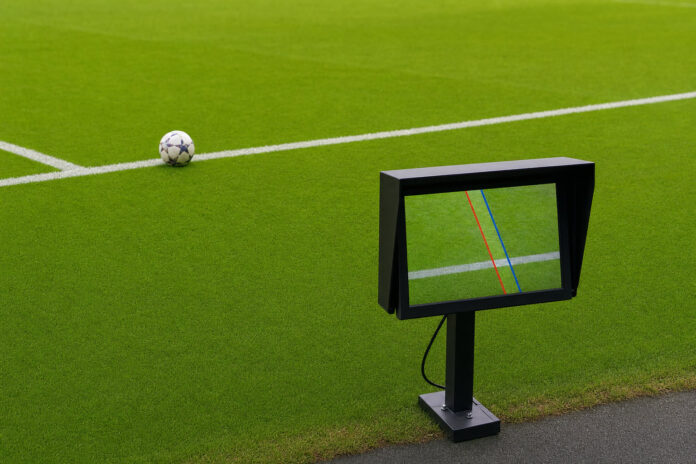
Video Assistant Referee (VAR) technology has firmly established itself as a critical element in modern football, sparking ongoing debates regarding fairness, accuracy, and the essence of the game. Its influence on pivotal match moments continues to elicit mixed feelings from players, coaches, and fans alike, leaving many to wonder whether VAR enhances or detracts from football as we know it.
VAR was introduced to eliminate injustices stemming from missed or incorrect on-field decisions, promoting the correction of “clear and obvious errors.” This initiative was perceived as a step towards fairness at the highest levels of the sport, and yet, the reality of its implementation often raises questions about whether it genuinely captures the spirit of the game.
VAR’s Intended Purpose and Limitations
The system’s narrow focus on specific incidents—goals, penalties, direct red cards, and mistaken identity—was designed to maintain the authority of match officials while addressing real moments. However, many, including myself, feel that this limited scope does not truly reflect the complexities of football. The outcome often seems to create as many issues as it resolves.
The Struggle for Consistency and Accuracy
Despite VAR’s objective to standardise decisions, many fans remain unconvinced that its implementation has eliminated inconsistencies. Blatant errors may have diminished, but the confusion persists over marginal offsides and subjective handball decisions. Such discrepancies cause frustrations that often overshadow the old narrative of “human error,” leaving fans questioning the very integrity of the review process.
The Impact on Game Dynamics and Player Behaviour
VAR disrupts the natural rhythm of matches, forcing players and supporters alike to pause during reviews. This new reality transforms emotional moments into anxious wait times for verdicts, affecting the overall atmosphere within stadiums. Furthermore, players seem to adapt their behaviour; defenders now approach tackles with heightened caution, while attackers exploit situations that may catch VAR’s attention, reshaping tactical dynamics in a way that might diminish the spontaneity that has always been integral to football.
Referee Dynamics and VAR Protocols
Referees also find themselves in a precarious position, balancing their instincts with the assurance of VAR support. This sometimes leads to indecisiveness on the pitch, undermining the confidence and authority that officials typically wield. While adherence to VAR protocols is essential, the resulting delays can lead to an interrupted flow, as both players and coaches strategise around this controversial aspect of officiating.
The SportiveNews view
To enhance its acceptance, VAR must focus on improving communication about its processes, thereby addressing existing confusion among fans. Transparency about decisions and clear guidelines on “clear and obvious” thresholds are essential for building trust and ensuring VAR aligns with the intrinsic nature of the sport.
Frequently asked questions
How has VAR changed player behaviour?
The introduction of VAR has made players more cautious in their actions, particularly defenders who are now wary of potential reviews that could overturn goals or penalties. Similarly, attackers are beginning to frame their movements to attract VAR’s attention, effectively altering traditional match tactics.
What is the main criticism of VAR’s implementation?
Many criticisms revolve around inconsistencies in decision-making, particularly concerning marginal offsides and subjective penalties. Fans often feel that what constitutes a “clear and obvious error” is misinterpreted, creating confusion and undermining VAR’s purpose of enhancing fairness in football.
How can VAR improve its public acceptance?
Improving communication through clearer announcements and possibly broadcasting referees’ audio during decision reviews will help fans understand the processes involved. This transparency is crucial for restoring trust and ensuring VAR is regarded as a supportive tool rather than a source of contention.
Source: Based on reporting from SoccerNews. SportiveNews rewrote and analysed the story independently for football readers.
More from SportiveNews: Champions League coverage · Premier League news