
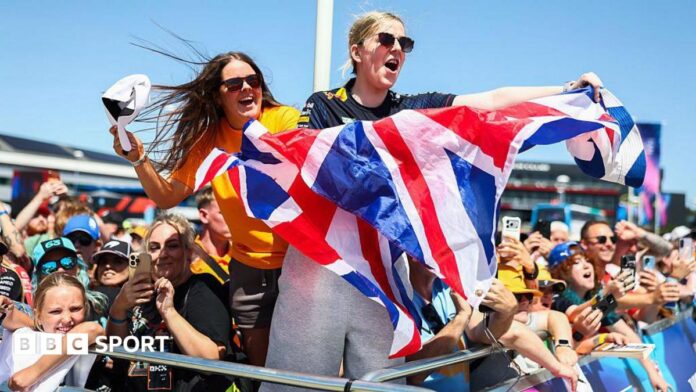
Silverstone is set to host its first sprint event since the new format was introduced in 2021, offering an exciting qualifying structure for the British Grand Prix. This sprint qualifying will comprise three timed sessions: SQ1, SQ2, and SQ3, lasting 12, 10, and 8 minutes respectively. The results from these sessions will determine the starting grid for the sprint race.
The return of the sprint event comes as part of the evolving FIA World Championship framework, with points awarded to the top eight finishers in the race — eight points for first place and one for eighth. According to BBC, Silverstone will pave the way for two more sprint races later in the season, at the Dutch Grand Prix in August and the Singapore Grand Prix in October.
How the Sprint Qualifying Structure Works for Competitive Edge
The new sprint qualifying format will see the six slowest cars eliminated through SQ1 and SQ2, echoing traditional qualifying protocols. This structure is intended to increase competitiveness, encouraging drivers to push harder in short, intense sessions, establishing a dynamic environment that may shape the weekend’s racing outcome.
The Implications of Sprint Points on Championship Standings
A important aspect of the sprint race is the points award system, where only the top eight finishers gain valuable championship points. This scoring could play a critical role in shaping drivers’ and teams’ standings as the season progresses, particularly as Silverstone’s sprint race could effectively contribute to their overall performance and stability in the championship race.
The Road Ahead for Teams After Silverstone
Following the sprint event at Silverstone, teams will have valuable insights into their setups and performance, which they can carry forward to the upcoming races. The outcomes from the sprint will allow teams to reassess their strategies, especially with the next sprint race scheduled for the Dutch Grand Prix in August. Observing how they manage their data and improvements will be important for their continued success.
The SportiveNews view
The introduction of sprint qualifying at Silverstone marks a real evolution in race dynamics, adding layers of strategy and risk management for teams. How they perform will provide a clearer picture of their potential in the championship. Teams must utilise this sprint format not only to gain points but also to refine their race strategies moving forward.
Frequently asked questions
What is unique about the sprint qualifying format at Silverstone?
Silverstone’s sprint qualifying will be composed of three sessions: SQ1, SQ2, and SQ3, each lasting 12, 10, and 8 minutes. This innovative structure aims to enhance competition by eliminating the six slowest cars in the initial rounds.
How do points work in the sprint race?
In the sprint race, only the top eight finishers earn points, with the highest score being eight points for first place and descending to one point for eighth place. This scoring will directly impact the drivers’ championship standings throughout the season.
What are the next sprint races scheduled after Silverstone?
After Silverstone, the final two sprint races are confirmed to take place at the Dutch Grand Prix in August and the Singapore Grand Prix in October, offering further opportunities for teams to score points in a sprint format.
Formula 1 coverage provides the latest insights into the evolving landscape of the championships with detailed analysis.