
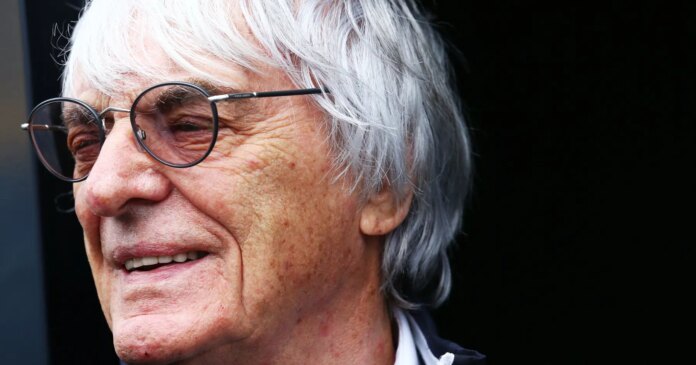
On this day in 2004, former Formula 1 CEO Bernie Ecclestone made a poignant declaration regarding the British Grand Prix, stating he was “ashamed” of the event. This stark criticism highlighted a long-standing feud with Silverstone’s organisers, particularly Octagon, regarding the venue’s inadequate facilities and presentation compared to modern race circuits.
Ecclestone’s grievances came amidst an evolving championship landscape, where newer European circuits were vying for attention, as reported by gptoday.com. His statements carried real weight, leading to serious ramifications for the British GP’s future on the calendar.
Bernie Ecclestone’s Discontent with Silverstone’s Standards
Ecclestone’s dissatisfaction with the British Grand Prix was not a new phenomenon, having previously described the event as “a country fair masquerading as a world event.” His remarks in 2004 echoed a growing frustration that Silverstone was no longer competing on equal footing with other iconic circuits, initiating a broader debate on the legacy and relevance of historical venues within the Formula 1 framework.
The Aftermath of Ecclestone’s Remarks
Following his incendiary comments, BRDC president Jackie Stewart subsequently confirmed in September 2004 that the British Grand Prix would not feature on the provisional 2005 calendar. This announcement illustrated the severity of the situation, reflecting how close the event came to being removed entirely from Formula 1’s history, compounded by Octagon’s withdrawal from the circuit amid financial difficulties.
The Broader Implications for Historic Races
Ecclestone asserted that the British Grand Prix had taken its place on the calendar for granted. He highlighted a contrasting narrative regarding the importance of F1 in Britain compared to the wider global market. The implications of his comments extended beyond Silverstone, raising questions about the future of other historic races that risk becoming outdated without continual investment and development.
The SportiveNews view
Ecclestone’s remarks underscored a important moment in the relationship between Formula 1 and its historic venues. The episode serves as a reminder of the sport’s relentless pursuit of excellence, where tradition must coexist with modern standards. The incident demonstrated that even revered circuits like Silverstone can fall short when new contenders emerge on the global stage, necessitating ongoing evaluation of their viability.
Frequently asked questions
What were Ecclestone’s main criticisms of Silverstone in 2004?
Ecclestone’s primary criticisms centred on Silverstone’s insufficient facilities and overall presentation compared to other modern circuits. He publicly conveyed that the British Grand Prix did not possess a divine right to remain on the calendar, indicating a need for improvement to keep pace with its competitors.
How did the comments affect the future of the British Grand Prix?
Ecclestone’s statements had immediate implications, leading to the BRDC subsequently announcing that the British Grand Prix would be absent from the provisional 2005 calendar. This raised concerns about the future viability of the event, culminating in a real shake-up in its management structure.
The fallout from this episode showcased the tension between heritage and progress within the sport, signifying a important moment in the evolution of Formula 1. For more on Formula 1 coverage, visit SportiveNews.com. For insights into the latest technical updates, consult latest technical updates.