
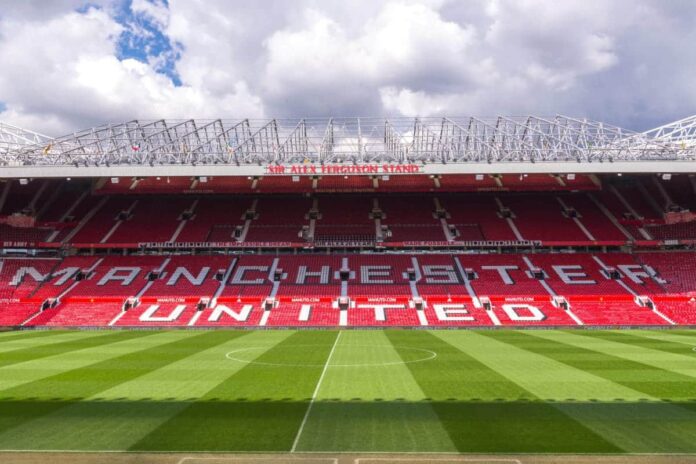
Manchester United have officially confirmed that their new stadium will be constructed approximately 350 metres from the historic Old Trafford venue. This ambitious development will feature a 100,000 all-seater capacity and is set to become the largest stadium in the United Kingdom.
The announcement comes as part of the broader plan for the Trafford Wharfside regeneration project, an initiative integral to the club’s vision for both sports and community development. The statement from Manchester United outlined the upcoming Stadium District, which aims to enhance the area with improved public transport, walking and cycling infrastructure, and a mixed-use neighbourhood expected to create thousands of local jobs and homes.
Details of the New Stadium District
The proposed stadium will be at the heart of a new Stadium District, aimed at delivering year-round sport and entertainment. Collette Roche, CEO of New Stadium Development at Manchester United, highlighted the project’s potential to transform the region, stating it provides a ‘once-in-a-generation opportunity’ for lasting benefits to supporters and the wider community.
The Impact on Old Trafford’s Legacy
While the new stadium is set to rise nearby, the fate of the existing Old Trafford remains unclear. Roche stressed the importance of preserving the heritage and traditions associated with the current stadium, which has been home to the team and its supporters for over a century. The aim is to blend the rich history with modern facilities, ultimately enhancing the matchday experience.
Community and Economic Investment
The ambitious masterplan also includes plans for 15,000 new homes and the creation of 48,000 local jobs. The projected economic contribution of the mixed-use developments is estimated at £7.3 billion annually for the UK economy, illustrating the project’s importance beyond just football.
The SportiveNews view
Manchester United’s stadium development is about more than just expanding capacity; it’s an effort to cement the club’s role in the local and national landscape. By focusing on community needs and sustainable transport, this initiative could reshape how we view stadiums as hubs of activity beyond matchdays, making it a pivotal development in both the football and urban planning spheres.
Frequently asked questions
Where will the new stadium be located?
The new stadium is set to be built approximately 350 metres north west of the existing Old Trafford stadium as part of Manchester United’s broader Trafford Wharfside regeneration project.
What will happen to Old Trafford?
No plans have yet been finalized concerning the existing Old Trafford stadium. The club has indicated a commitment to preserving its heritage while developing the new venue.
When is the new stadium expected to be completed?
The new stadium is projected to be completed by 2030, aligning with the wider development initiatives for the Stadium District.
Source: Based on reporting from 101 Great Goals. SportiveNews rewrote and analysed the story independently for football readers.
More from SportiveNews: Champions League coverage · Premier League news