
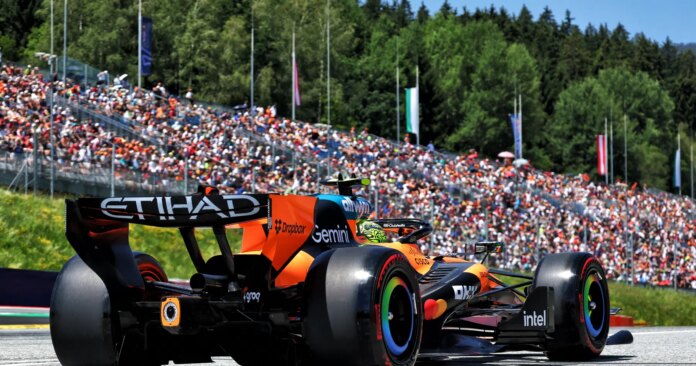
McLaren’s technical director, Mark Temple, pointed out that the introduction of Formula 1’s new power units has been the “biggest headlines” amidst a challenging campaign thus far for the team. Despite a conservative upgrade strategy, which sees them third in the pecking order, McLaren has made promising strides, with Lando Norris securing victory at the Hungarian Grand Prix.
Currently, the evolving dynamics of the FIA World Championship have placed McLaren in a unique situation, having been crowned constructors’ champions for two consecutive seasons, with their focus on long-term performance over short-term gains as reported by GPToday.com.
Mark Temple on the New Power Units’ Impact for McLaren
Temple emphasized that the new engine regulations have dramatically altered the competitive landscape in Formula 1. He stated that while tackling the complexities of these changes was expected to be difficult, the potential for performance improvements has been real. This underscores McLaren’s strategic pivot towards refining their processes for an optimal race-day performance.
The Strategic Upgrade Approach of McLaren
This season, McLaren has adopted a more methodical approach compared to aggressive upgrades from their competitors. While this has positioned them as third among the teams, each incremental upgrade has proven beneficial in closing the gap to giants like Mercedes. This strategy reflects a commitment to ensuring lasting improvements to their vehicle’s performance.
Reliability Challenges Facing Lando Norris
Reliability issues have hindered McLaren’s season, primarily linked to problems surrounding Mercedes’ power unit. These challenges have left Norris with real obstacles in defending his title, as Temple acknowledged the delays in their preparation processes for each Grand Prix. The team remains resolute in its plans for enhancements moving forward.
The SportiveNews view
McLaren’s cautious upgrade strategy may be indicative of their larger vision for sustainable performance and reliability. As the team reconciles its performance needs with the inherent complexities of the new power units, the trajectory for both Norris and McLaren will depend heavily on their ability to address reliability issues whilst maximising every competitive opportunity.
Frequently asked questions
What are the key changes with the new power units?
The implementation of new engine regulations has been important in shaping the current competitive landscape of Formula 1. As outlined by Mark Temple, these changes allow for enhanced performance opportunities but have also introduced complexities that teams must navigate carefully.
How has McLaren’s strategy affected their performance?
McLaren’s decision to pursue a more measured approach with upgrades has kept them in third place in the championship standings. This strategy contrasts with their rivals, who have opted for a more aggressive upgrade path. Such choices have momentarily impacted their ability to consistently compete at the forefront.