
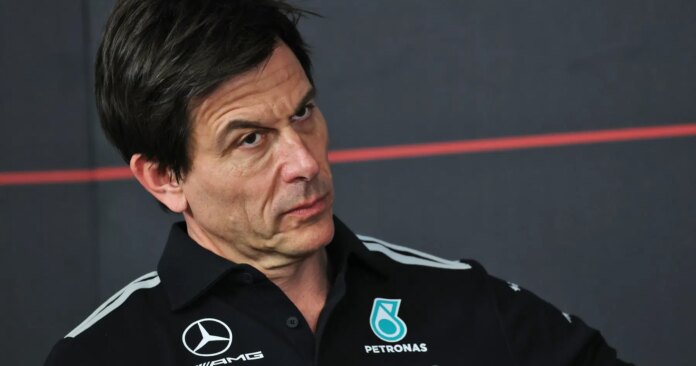
Mercedes team principal Toto Wolff has confirmed a strategic decision regarding upgrades to the W17, which are intentionally focused on the latter half of the Formula 1 season. This plan aims to optimise performance at critical moments, as rivals like Ferrari intensify their development efforts in the competitive landscape of the championship.
Amid a tightening championship race, Mercedes holds a real lead in the constructors’ standings with 379 points, 72 ahead of Ferrari. In a recent media briefing following the Hungarian Grand Prix, where George Russell finished seventh and Kimi Antonelli claimed third, Wolff discussed the team’s measured approach to performance upgrades, as detailed by Gptoday.com.
Mercedes’ Strategic Upgrade Timeline for W17
Wolff emphasised the need for thoughtful deployment of upgrades throughout the season. He noted that merely introducing new components at every race is no longer viable. “You need to consider when these upgrades can deliver the most performance,” he stated, highlighting the changing dynamics as other teams ramp up their development efforts.
Ferrari’s Accelerated Development Pressure
As Wolff pointed out, Ferrari has shown an impressive ability to maintain a consistent development pace, raising concerns among competitors. His comments during the Austrian Grand Prix indicated that this strategy could present risks for the Italian team regarding budget cap limitations if they continue on this trajectory without a slowdown.
Updates and Performance in Previous Rounds
This season, Mercedes has executed its development in phases, starting with a substantial aero and cooling package during pre-season testing in Bahrain. The team’s most real in-season upgrade unfolded at the Canadian Grand Prix, featuring a redesigned front wing and revised components, collectively delivering an estimated 0.3 seconds per lap advantage, according to Wolff.
The SportiveNews view
Mercedes’ strategic delay in deploying real updates underscores an intelligent approach to maximising impact later this season. As rivals aggressively pursue performance lifts, the decision to wait could help Mercedes leapfrog competitors at critical moments, converting their championship lead into sustained success.
Frequently asked questions
What is the rationale behind Mercedes’ delayed upgrade plan?
Mercedes has strategically chosen to postpone the introduction of new upgrades to optimise their impact on performance. Wolff stated the necessity of timing for maximum performance rather than deploying parts at every Grand Prix.
How has Ferrari’s development influenced Mercedes’ strategy?
Ferrari’s consistent development has pressured Mercedes to be more strategic. Wolff noted that while Mercedes and its rivals have adopted a measured pace, Ferrari seems to maintain a more aggressive trajectory, prompting a careful reassessment of upgrade deployment timing for Mercedes.
For ongoing insights into Formula 1 developments, visit our Formula 1 coverage and for the latest technical updates, check our latest technical updates.