
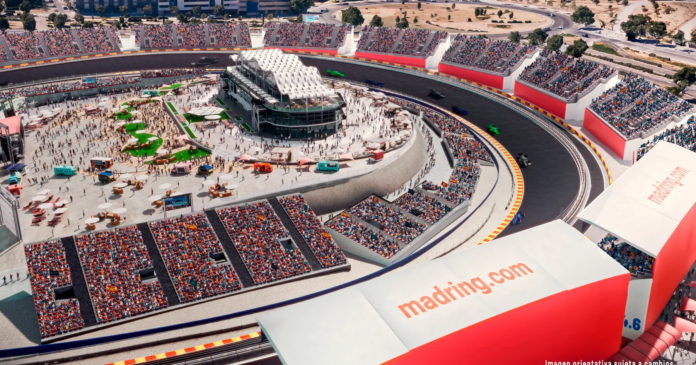
Formula 1 is set to embark on a new chapter as the Madring prepares to host its inaugural event, the Spanish Grand Prix, in mid-September. This highly anticipated race marks a real milestone for the championship, introducing a unique street circuit configuration that combines intricate urban layouts with purpose-built sections through Madrid.
As confirmed by the FIA, this addition to the F1 calendar comes after an extensive evaluation process spanning two and a half years. The move underscores the ongoing evolution of the championship, as diverse circuit styles are embraced to enhance competitiveness and audience engagement. Pirelli’s recent insights reveal the potential challenges of tyre behaviour at the Madring, marking this event as a important testing ground for the teams.
Pirelli’s Cautious Tyre Selection for Madrid
Given the untested nature of the Madring, Pirelli has opted for a conservative approach in its tyre selection. The C2, C3, and C4 compounds have been designated for use at this race, aiming to provide teams with a versatile strategic framework. This decision reflects the lack of historical data, prompting Pirelli to prepare for various racing conditions that could arise on this new track.
Understanding the Demands of the Madring Circuit
The unique design of the Madring, characterised by tight corners and heavy braking zones, places considerable thermal stress on the tyres. The circuit’s surface, anticipated to be more abrasive due to its recent construction, is expected to generate higher degradation rates, influencing teams’ race strategies. Pirelli’s analysis suggests that thermal loads on the tyres will be comparable to those experienced at established circuits like Silverstone and Spa-Francorchamps.
The Strategic Implications of Tyre Management
Pirelli’s tyre choices aim to facilitate a two-stop strategy during the race, providing a buffer against overheating risks, particularly under high-temperature scenarios. The decision to utilise medium-range compounds serves a dual purpose: enhancing race strategies while safeguarding teams from the excessive wear associated with softer compounds.
Pirelli’s Broader Context for Upcoming Races
In addition to Madrid, Pirelli has revealed its tyre allocations for the races preceding the Spanish Grand Prix. The same tyre range is set for Zandvoort, while the softest allocation featuring C3, C4, and C5 compounds will be employed at Monza. This strategic blueprint allows teams to tailor their preparations according to differing track requirements in the lead-up to the Madrid event.
The SportiveNews view
The impending race at the Madring presents an opportunity for teams to adapt to new challenges while maximising their strategic advantages. With the unique demands of this circuit, teams that excel in tyre management could see real benefits, making this event a important moment in the championship trajectory.
Frequently asked questions
What compounds will Pirelli supply for the Madring race?
Pirelli has confirmed the use of the C2, C3, and C4 compounds for the inaugural Spanish Grand Prix at the Madring. This selection aims to provide teams with flexibility in their race strategies.
How does the Madring’s design affect tyre degradation?
The Madring’s configuration, featuring tight corners and heavy braking zones, is expected to create substantial thermal demands on the tyres. The abrasive surface of the street circuit is anticipated to contribute to higher degradation rates, influencing strategic decisions during the race.
For ongoing insights and detailed analysis, explore our Formula 1 coverage and stay updated on latest technical updates.